Many women search for how to prevent breast cancer to understand the steps they can take to lower their risk.
Breast cancer is pretty common for women everywhere. It starts when cells grow out of control and create a tumor or lump. People often want to know about prevention to stay safe and cut their chances of getting it. Women have to take guidance on how to prevent breast cancer.
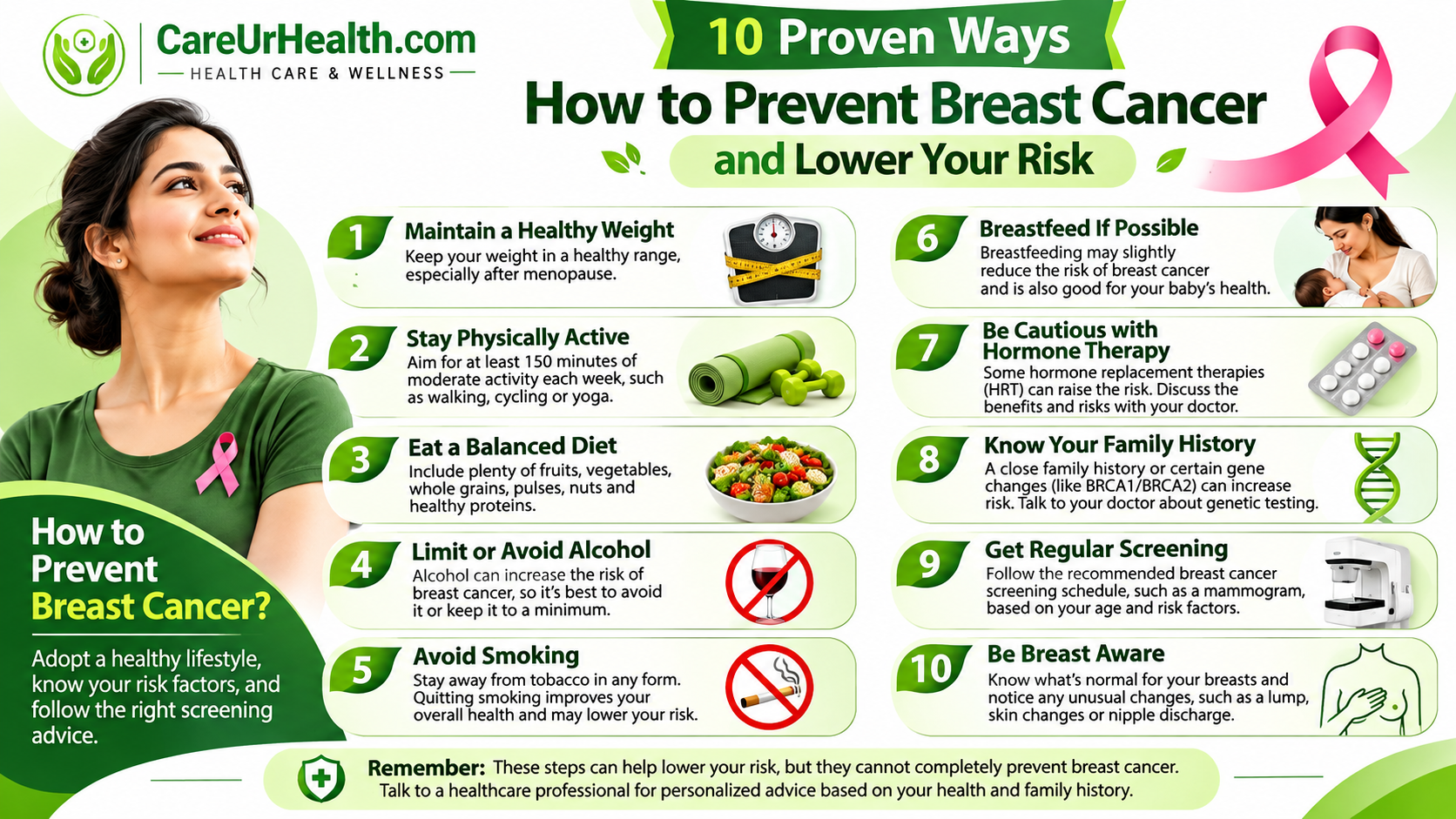
A healthy diet, regular physical activity, and maintaining a healthy weight may help reduce the risk of breast cancer. Following a balanced diet and staying active are important parts of a healthy lifestyle. These habits support diet and exercise for breast cancer prevention and promote overall well-being. Eating nutritious foods can also contribute to a healthy diet for breast cancer prevention.
Limiting or avoiding alcohol may also help lower the risk. These are some practical ways to lower breast cancer risk. Another important step is to understand the early signs of breast cancer and seek medical advice if you notice any unusual changes. Early detection of breast cancer can help doctors identify the disease sooner and begin treatment promptly.
Following the recommended breast cancer screening schedule is also important. Knowing when to start breast cancer screening and getting regular mammogram screening, when advised by a healthcare professional, can help detect breast cancer at an early stage. These steps are an important part of understanding how to prevent breast cancer, although screening helps with early detection rather than preventing the disease itself.
Understanding how to prevent breast cancer can help women make informed decisions about their health and discuss their individual risk with a healthcare professional.
What Is Breast Cancer?
Breast cancer is a condition in which cells in the breast grow abnormally and out of control. Breast cells usually grow and divide in an orderly way. But when things go wrong, some cells keep growing and these abnormal cells can form a lump or a tumor.
Understanding how to prevent breast cancer starts with learning about its risk factors and following healthy lifestyle habits. natural ways to prevent breast cancer
Breast cancer can begin in different areas of the breast. They include the milk ducts and the milk-producing glands (lobules). Cancer cells can sometimes spread into the surrounding breast tissue and, if the disease progresses, to other parts of the body. This is called metastasis, including guidance on how to prevent breast cancer.
The type and stage of breast cancer also help doctors decide which breast cancer treatment may be suitable for a patient. breast cancer treatment options
Types of Breast Cancer
There are several common types of breast cancer:
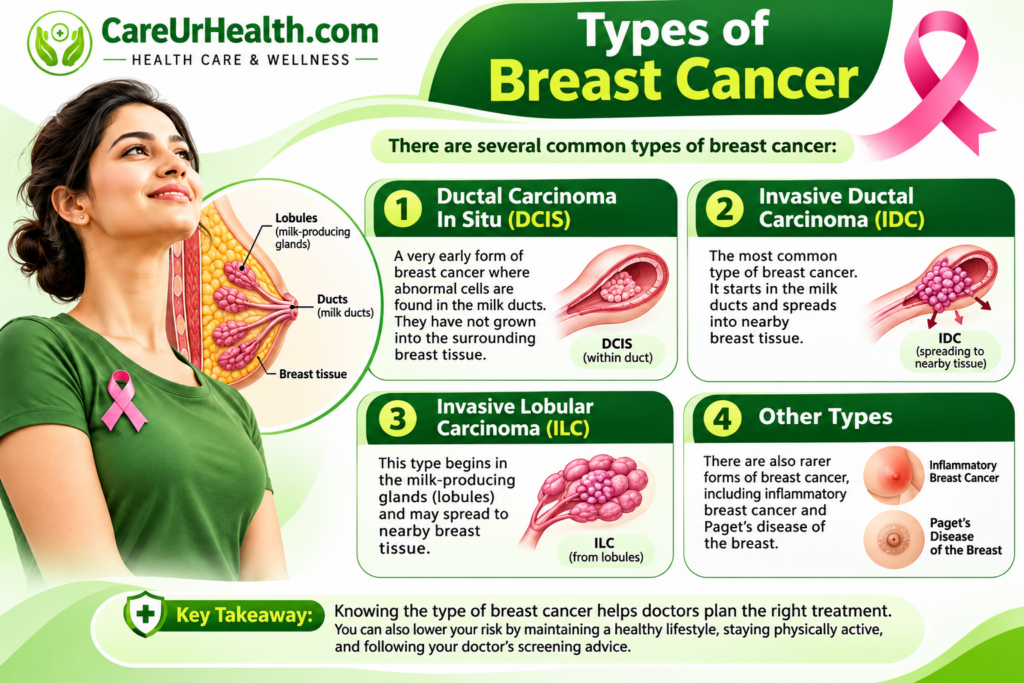
Ductal Carcinoma In Situ (DCIS): A very early form of breast cancer where abnormal cells are found in the milk ducts. They have not grown into the surrounding breast tissue, including guidance on how to prevent breast cancer.
Invasive Ductal Carcinoma (IDC): This is the most common type of breast cancer. It starts in the milk ducts and spreads into nearby breast tissue.
Invasive lobular carcinoma (ILC). This type begins in the milk-producing glands (lobules) and may spread to nearby breast tissue.
Other Types: There are also rarer forms, including inflammatory breast cancer and Paget’s disease of the breast, including guidance on how to prevent breast cancer.
Do men get breast cancer?”
Yes, men can get breast cancer, but it is much less common than in women. Men have some breast tissue too, and cancer can develop in this tissue. Men with a family history of breast cancer or certain inherited changes in genes, such as BRCA1 and BRCA2, may be at increased risk. breast cancer risk factors in men
Also, men should look for any unusual changes, such as a lump in the chest area, nipple discharge, or changes in the skin around the nipple. If you notice any unusual changes, talk to a health professional, early signs of breast cancer including guidance on how to prevent breast cancer.
What Are The Major Causes and Risk Factors For Breast Cancer?
Several factors can affect the growth of breast cells and may contribute to the development of breast cancer. There is no single cause of the disease. Understanding breast cancer prevention starts with knowing that certain factors can increase your risk, while others are beyond your control.
Understanding how to prevent breast cancer begins with learning about the risk factors that may increase your chances of developing the disease. A breast cancer risk assessment can help identify your individual risk and guide discussions with a healthcare professional about appropriate preventive steps.
Age & Gender
Age is one of the major risk factors for developing breast cancer. As a woman gets older, her risk of developing the disease generally increases. Although breast cancer is more common in women, men can also develop it. Understanding how to prevent breast cancer involves knowing the risk factors and discussing appropriate preventive steps with a healthcare professional.
Family History and Heredity Genes
Risk may increase if a close relative, like a mother, sister or daughter, has breast cancer. Some genes like BRCA1 and BRCA2 can be inherited through families and increase the risk for breast cancer.
Knowing your family history is an important step when learning how to avoid breast cancer and understand your personal risk.
Reproductive and hormonal factors
Hormonal factors may also influence a woman’s risk of developing breast cancer. These include starting menstrual periods at an early age and reaching menopause later in life. Having the first child at an older age or never having a full-term pregnancy may also affect the risk.
These are some important hormonal factors and breast cancer risk to understand. Research also suggests that breastfeeding and breast cancer risk are connected, as breastfeeding may help lower the risk of breast cancer.
Lack of physical activity and overweight/obesity
Being Overweight and Lack of Physical Activity
Being overweight, especially after menopause, may increase a woman’s risk of developing breast cancer. A lack of regular physical activity can also contribute to weight gain and affect overall health. Maintaining a healthy weight and staying physically active are important parts of how to prevent breast cancer and may help reduce breast cancer risk.
Use of Alcohol
Drinking alcohol regularly is linked to an increased risk of breast cancer. The risk may increase with the amount of alcohol consumed. Limiting or avoiding alcohol can be one of the practical ways to lower breast cancer risk.
Previous Radiation Treatment and Hormone Replacement Therapy
Women who received radiation treatment to the chest at a younger age may have a higher risk of developing breast cancer later in life. Certain hormone replacement therapies, particularly those combining estrogen and progestin, may also increase breast cancer risk. Understanding these breast cancer risk factors can help women discuss their individual risk and suitable preventive steps with a healthcare professional.
Can Breast Cancer Be Prevented Completely?
It is not possible to guarantee that breast cancer can be prevented completely. However, understanding how to prevent breast cancer and making healthy lifestyle choices may help lower the risk. Regular physical activity, maintaining a healthy weight, limiting alcohol consumption, and discussing personal risk factors with a doctor are some steps that may help.
If breast cancer develops, doctors consider several factors, including the type and stage of the disease, before recommending suitable breast cancer treatment. Treatment options are different from prevention methods and are selected according to each patient’s condition.
Important: Having one or more risk factors does not necessarily mean that a person will develop breast cancer. Similarly, breast cancer can occur in people who have no known risk factors. Understanding your personal risk can help you make informed health decisions and discuss appropriate preventive measures with your doctor.
How to Prevent Breast Cancer – 10 Healthy Ways to Lower Your Risk
You can’t always prevent breast cancer, but healthy lifestyle choices can help reduce your risk. Some risk factors, like age, family history, and inherited gene changes, can’t be controlled. But taking care of your health, being active and following proper medical advice can help and help positively.
If you are searching for how to prevent breast cancer, understanding your personal risk factors and adopting healthy daily habits is a good place to start.
Want to know how to stop breast cancer? Here are 10 healthy steps that can help reduce your risk and improve your overall health:
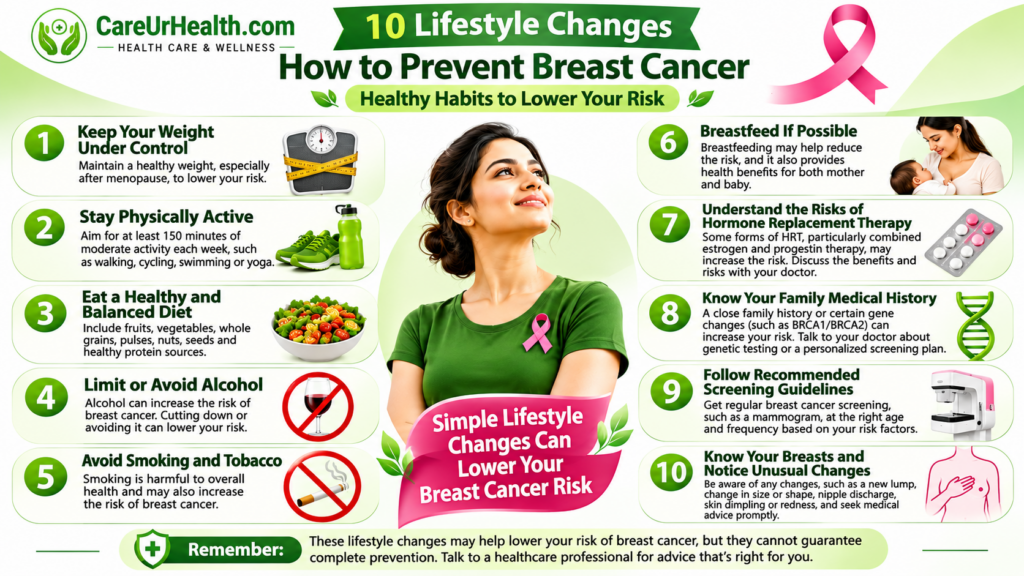
10 Lifestyle Changes That May Help Reduce the Risk of Breast Cancer
Making healthy lifestyle choices may help lower the risk of breast cancer. Although no lifestyle change can guarantee complete protection, maintaining a healthy weight, staying physically active, eating a balanced diet and avoiding alcohol are some practical steps women can consider.
If you are wondering how to prevent breast cancer, the following lifestyle habits can help you understand which changes may support your overall health and reduce certain risk factors.
1. Keep Your Weight Under Control
Maintaining a healthy body weight is important for reducing the risk of several health conditions, including breast cancer. Research suggests that being overweight or obese, particularly after menopause, may increase the risk of developing certain types of breast cancer.
Fat tissue produces estrogen. After menopause, when the ovaries produce much less estrogen, fat tissue becomes an important source of this hormone. Having excess body fat can increase estrogen levels and may contribute to a higher risk of some types of breast cancer.
Eating balanced meals, staying physically active and following healthy daily habits can help you maintain a healthy weight. Avoid crash diets and extreme weight-loss methods. Instead, focus on small, sustainable changes that you can maintain over time.
Maintaining a healthy weight is one important lifestyle step to consider when learning how to prevent breast cancer and reduce your overall health risks.
2. Stay Physically Active
Regular physical activity helps maintain a healthy weight and may also lower the risk of breast cancer. Exercise supports heart health, improves fitness and can help you feel more energetic.
You do not need a gym membership to stay active. Walking, cycling, swimming, dancing and yoga are all good options.
Try to include movement in your daily routine. You could take a 30-minute walk, use the stairs instead of the lift or spend some time cycling. Choose activities you enjoy so that you can follow them regularly.
Staying active is an important part of a healthy lifestyle and one of the practical ways to reduce breast cancer risk.
3. Eat a Healthy and Balanced Diet
A balanced diet provides essential nutrients and helps maintain a healthy body weight. No single food can prevent breast cancer, but eating a variety of nutritious foods supports overall health.
Foods to Include in Your Daily Diet
Fruits and vegetables: Include apples, oranges, papaya, carrots, spinach and broccoli. These foods provide vitamins, minerals and dietary fibre.
Whole grains: Choose foods such as oats, brown rice, whole-wheat roti and other whole grains.
Pulses and legumes: Dal, chana, rajma and beans are good sources of plant-based protein and fibre.
Nuts and seeds: Almonds, walnuts, flaxseeds and pumpkin seeds provide healthy fats and other important nutrients.
Protein sources: Include eggs, fish, paneer, curd, chicken or other protein-rich foods according to your dietary preferences.
Try to limit highly processed foods and sugary drinks. A healthy diet can support weight management and overall well-being, but it cannot guarantee protection against breast cancer.
Following a balanced eating pattern is a useful part of diet and exercise for breast cancer prevention, along with other healthy lifestyle choices.
4. Limit or Avoid Alcohol
Regular alcohol consumption is linked to an increased risk of breast cancer. Research suggests that the risk increases with the amount of alcohol consumed. Even relatively small amounts may increase the risk.
Avoiding alcohol is the most effective way to remove alcohol-related cancer risk. If you currently drink, reducing your consumption or stopping altogether may help lower your risk.
Avoiding alcohol can also support better overall health. It is one of the important lifestyle choices to consider when looking at ways to lower breast cancer risk.
5. Avoid Smoking and Tobacco
Smoking is harmful to overall health and is a major cause of several cancers, including lung, mouth and throat cancer. Research has also suggested a possible link between smoking and breast cancer, although the evidence is not as clear as it is for some other cancers.
Avoid tobacco in all forms. If you smoke, consider seeking professional support to quit. It is also sensible to avoid exposure to second-hand smoke whenever possible.
Do not assume that low-tar or other tobacco products are safe alternatives. Avoiding smoking and tobacco is an important step towards protecting your long-term health.
6. Breastfeed If Possible
Breastfeeding may help lower a woman’s risk of developing breast cancer. Some studies have found that women who breastfeed may have a lower risk than those who do not.
One possible explanation is that breastfeeding reduces the number of menstrual cycles a woman has during this period, which may reduce her exposure to certain hormones.
Breastfeeding can also provide health benefits for both mother and baby. However, every woman’s circumstances are different. Some mothers may be unable to breastfeed because of medical conditions, personal circumstances or other reasons. They should not feel guilty about this.
Breastfeeding is one possible protective factor, but it is not a guarantee against breast cancer and should never be treated as a requirement for prevention.
7. Understand the Risks of Hormone Replacement Therapy
Hormone Replacement Therapy (HRT) is sometimes prescribed to help women manage menopause symptoms such as hot flashes, night sweats and sleep problems.
However, certain forms of HRT, particularly combined estrogen and progestin therapy, may increase the risk of breast cancer. The level of risk can depend on the type of treatment, how long it is used and a woman’s individual health factors.
If you are taking HRT or considering it, discuss its benefits, possible risks and alternative treatments with your doctor. Do not stop prescribed hormone medication without medical advice.
Understanding the possible effects of HRT can help you make informed decisions about your health and your breast cancer risk factors.
8. Know Your Family Medical History
A family history of breast cancer can influence your personal risk. Your risk may be higher if your mother, sister, daughter or another close relative has had the disease.
Some families carry inherited gene changes, including BRCA1 and BRCA2, which can significantly increase the risk of breast cancer and certain other cancers.
If you have a family history of breast cancer, share this information with your doctor. Depending on your family history and personal risk, your doctor may recommend genetic counselling, genetic testing or an individualised screening plan.
Knowing your family medical history can help you understand your breast cancer risk assessment and decide whether additional preventive measures are appropriate.
9. Follow Recommended Breast Cancer Screening Guidelines
Breast cancer screening can help detect the disease before symptoms appear. Finding cancer at an early stage may make treatment more effective.
Mammography is a commonly used screening test. It uses low-dose X-rays to look for unusual changes in breast tissue, sometimes before a lump can be felt.
The right age to begin screening and how often to have it may depend on factors such as your age, family history, personal medical history and overall risk. Women at higher risk may need an earlier or different screening plan.
Discuss when to start breast cancer screening with your healthcare professional. They can recommend an appropriate schedule based on your individual circumstances.
Remember, screening does not prevent breast cancer from developing. Its purpose is to help detect the disease early, when treatment may be more successful.
10. Know Your Breasts and Notice Unusual Changes
Being familiar with how your breasts normally look and feel can help you notice unusual changes. You do not need to check your breasts constantly. The important thing is to be aware of what is normal for you.
Look out for changes such as a new lump, a change in breast size or shape, nipple discharge, skin dimpling, redness or changes in the nipple.
If you notice any unusual change, consult a healthcare professional promptly. These changes do not always mean cancer, but they should be checked.
Knowing the early signs of breast cancer and seeking medical advice when something unusual appears can support early detection.
Final Thoughts
Making healthy lifestyle choices may help lower the risk of breast cancer, but no method can guarantee that the disease will not develop. Maintaining a healthy weight, exercising regularly, eating a balanced diet, limiting alcohol and understanding your personal risk are useful steps to consider.
Learning how to prevent breast cancer also means knowing when to seek medical advice, understanding your family history and following appropriate screening recommendations.
If breast cancer does develop, the right breast cancer treatment will depend on the type and stage of the disease, along with the patient’s overall health. Early medical evaluation and an individualised treatment plan are important.
Some Changes to Look For
Be aware of the following changes in your breasts:
- A new lump in the breast or underarm.
- A change in the size or shape of the breast.
- Unusual nipple discharge, especially if it contains blood.
- A nipple that suddenly turns inward.
- Changes in breast skin, such as dimpling, puckering or redness.
- Persistent breast pain or swelling.
These symptoms do not always indicate breast cancer, but they should not be ignored. Knowing the early signs of breast cancer can help you recognise unusual changes and seek medical advice promptly. If you notice a change that is unusual or does not go away, consult a healthcare professional. Do not wait for your next routine screening appointment if you have a concerning symptom.
Remember: These lifestyle steps may help lower your risk of breast cancer, but they cannot guarantee that you will never develop the disease. Understanding how to prevent breast cancer means knowing which risk factors you can manage and which are beyond your control. If you have a strong family history or other risk factors, discuss an appropriate prevention and screening plan with your doctor.
Daily Lifestyle Adjustments to Help Reduce Breast Cancer Risk
Small changes in your daily routine can support better health and may help lower your risk of breast cancer. If you are looking for practical ways to reduce breast cancer risk, start with habits that you can maintain over time.
Eat Nutritious Meals: Include fresh fruits, vegetables, whole grains, pulses, nuts and healthy protein sources in your daily diet. A balanced diet provides essential nutrients and supports a healthy body weight.
Stay Active: Make time for activities such as walking, cycling, swimming or yoga. Regular physical activity helps maintain a healthy weight and may lower the risk of breast cancer.
Maintain a Healthy Weight: Excess body weight, particularly after menopause, is associated with an increased risk of certain types of breast cancer. Try to maintain a healthy weight through balanced eating and regular exercise.
Avoid Alcohol and Tobacco: Alcohol consumption is linked to an increased risk of breast cancer. Avoiding alcohol and staying away from tobacco can also support your overall health.
Get Enough Sleep: Aim for 7–9 hours of good-quality sleep each night and try to follow a regular sleep schedule. Good sleep supports general health and well-being.
Follow Recommended Health Check-ups: Follow your doctor’s advice about breast cancer screening and report any unusual breast changes promptly. The appropriate screening schedule depends on your age and personal risk factors.
These habits cannot guarantee breast cancer prevention, but they can support your health and may help reduce certain risk factors.
Can You Stop Breast Cancer Before It Begins?
Many people want to know whether breast cancer can be stopped before it develops. The truth is that there is currently no guaranteed way to prevent breast cancer completely. Even women who maintain a healthy lifestyle can develop the disease.
However, understanding how to prevent breast cancer can help you identify lifestyle choices that may lower your risk. Maintaining a healthy weight, exercising regularly, eating a balanced diet and avoiding alcohol are some practical steps.
It is also important to understand your family medical history and follow screening recommendations appropriate for your age and personal risk.
Women with a higher risk because of inherited gene changes, such as BRCA1 or BRCA2, or a strong family history may have additional medical options. A specialist can assess their breast cancer risk factors and discuss suitable steps. Depending on individual circumstances, these may include risk-reducing medicines or preventive surgery.
These medical options are not suitable for everyone and may involve side effects or long-term consequences. Decisions about preventive medicines or surgery should always be made with a qualified specialist after discussing the potential benefits and risks.
The aim is not to promise that breast cancer will never develop. Instead, it is to understand your personal risk and make informed decisions that support your health.
Protecting Yourself from Breast Cancer If You Have a Family History
Having a family history of breast cancer may increase your risk, but it does not mean that you will definitely develop the disease. Understanding your family history is an important step in assessing your personal risk.
Tell your doctor if your mother, sister, daughter or another close relative has had breast cancer. Your doctor can review this information and help you understand whether your family history suggests an increased risk.
In some cases, genetic counselling and testing may be recommended to check for inherited changes in genes such as BRCA1 and BRCA2. Genetic testing for breast cancer can help identify certain inherited gene changes that may increase your risk. A genetic counsellor can explain the benefits, limitations and possible implications of testing.
Women at higher risk may need an individualised screening plan. Depending on their medical history and doctor’s advice, this may involve starting mammograms earlier or having additional imaging tests.
In some high-risk cases, doctors may also discuss risk-reducing medicines or preventive surgery. These decisions require careful consideration of the possible benefits, risks and long-term effects.
Knowing your family history and discussing it with a healthcare professional can help you make informed decisions about screening and risk reduction.
Important Warning Signs and Symptoms of Breast Cancer You Should Not Ignore
Knowing the warning signs of breast cancer can help you recognise unusual changes and seek medical advice without delay. However, early-stage breast cancer may not cause noticeable symptoms. This is why following appropriate screening recommendations is also important.
Common Signs and Symptoms of Breast Cancer
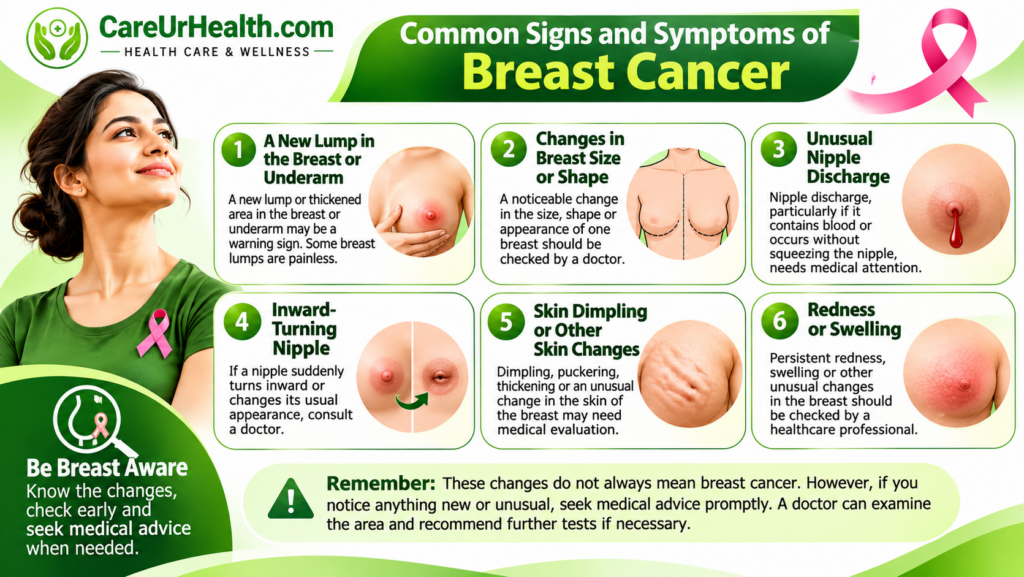
A New Lump in the Breast or Underarm: A new lump or thickened area in the breast or underarm may be a warning sign. Some breast lumps are painless, so do not ignore a new or unusual lump.
Changes in Breast Size or Shape: A noticeable change in the size, shape or appearance of one breast should be checked by a healthcare professional.
Unusual Nipple Discharge: Nipple discharge, particularly if it contains blood or occurs without squeezing the nipple, needs medical attention.
Inward-Turning Nipple: If a nipple suddenly turns inward or changes its usual appearance, consult a doctor.
Skin Dimpling or Other Skin Changes: Dimpling, puckering, thickening or an unusual change in the skin of the breast may need medical evaluation.
Redness or Swelling: Persistent redness, swelling or other unusual changes in the breast should be checked by a healthcare professional.
These changes do not always mean that you have breast cancer. However, if you notice anything new or unusual, seek medical advice promptly. A doctor can examine the area and recommend further tests if necessary.
Breast Cancer: Early Detection and Screening Tests
Breast cancer screening helps doctors look for signs of cancer before symptoms appear. Early detection of breast cancer can make it possible to diagnose the disease at an earlier stage and begin treatment promptly.
Screening and prevention have different purposes. Prevention focuses on lowering the risk of developing breast cancer, while screening aims to detect the disease early.
The recommended screening method and schedule may depend on your age, family history, inherited gene changes and other personal risk factors. Discuss the appropriate screening plan with your healthcare professional.
What Is a Mammogram?
A mammogram is a medical test that uses low-dose X-rays to create images of breast tissue. It can help doctors identify unusual changes, including small lumps or other abnormalities that may not be noticeable during a physical examination.
Mammogram screening is one of the most commonly used methods of breast cancer screening. Your doctor can explain whether you should have a mammogram and how often it may be needed.
When Should I Get Breast Cancer Screening?
Recommendations for when to start breast cancer screening can vary depending on the country and the medical guidelines being followed.
Doctors consider factors such as your age, family history, inherited gene changes and previous medical history before recommending a screening schedule. Women at higher risk may need to begin screening earlier or undergo additional tests.
Speak with your doctor to understand which screening schedule is appropriate for your individual circumstances.
What to Expect When You Get a Mammogram
During a mammogram, each breast is placed on a special platform attached to an X-ray machine. The breast is gently compressed between two plates for a few seconds so that clear images can be taken.
You may feel some pressure or temporary discomfort during the procedure. However, the test is usually brief. If you have concerns or experience significant discomfort, inform the healthcare professional performing the mammogram.
Is a Breast Self-Exam Enough?
Being familiar with how your breasts normally look and feel can help you notice unusual changes. This is often called breast awareness.
However, checking your breasts yourself is not a replacement for recommended breast cancer screening. If you notice a lump, nipple discharge or any other unusual change, consult a healthcare professional even if your last screening result was normal.
Breast Cancer Treatment Options: What Are They?
Breast cancer treatment depends on several factors, including the type of cancer, its stage, test results and the patient’s overall health. The available breast cancer treatment options may differ from one person to another.
Doctors may recommend one treatment or a combination of treatments. The main goals are to remove or control the cancer, reduce the risk of its spread or recurrence, and improve the patient’s quality of life.
Surgical Treatment
Surgery is a common treatment for breast cancer. It involves removing cancerous tissue from the breast.
Depending on the type and stage of cancer, doctors may recommend a lumpectomy, which removes the tumour while preserving most of the breast, or a mastectomy, which removes the entire breast. Nearby lymph nodes may also be removed if necessary.
Radiation Therapy
Radiation therapy uses high-energy rays to destroy cancer cells. It is often recommended after surgery to target any cancer cells that may remain in the breast or nearby areas. It may also be used in certain other situations, depending on the patient’s condition.
Chemotherapy
Chemotherapy uses medicines to destroy cancer cells or slow their growth. These medicines may be given through a vein or, in some cases, as tablets.
Doctors may recommend chemotherapy before surgery to shrink a tumour or after surgery to reduce the risk of cancer returning. The treatment plan depends on the type and stage of breast cancer.
Hormone Therapy
Some breast cancers grow in response to hormones such as estrogen or progesterone. These are known as hormone receptor-positive breast cancers.
Hormone therapy uses medicines that block the effects of these hormones or reduce their levels in the body. It may be recommended when test results show that the cancer is hormone-sensitive.
Targeted Therapy
Targeted therapy uses medicines that act on specific proteins or changes in cancer cells that help them grow. For example, certain targeted medicines are used to treat HER2-positive breast cancer.
The choice of treatment depends on the patient’s test results and the characteristics of the cancer.
Immunotherapy
Immunotherapy helps the body’s immune system recognise and fight cancer cells. It may be recommended for certain types of breast cancer, including some cases of triple-negative breast cancer.
Immunotherapy is not suitable for every patient. A cancer specialist will decide whether it is appropriate based on the type of cancer and relevant test results.
Every case of breast cancer is different. A qualified cancer specialist or oncologist will review the patient’s medical reports, scans and test results before recommending the most suitable treatment plan.
Frequently Asked Questions About Breast Cancer Prevention
1. How Can I Prevent Breast Cancer Naturally?
There is no proven natural method that can guarantee protection against breast cancer. However, certain lifestyle habits may help lower your risk. These include maintaining a healthy weight, exercising regularly, eating a balanced diet and avoiding alcohol.
Regular medical advice and appropriate screening are also important. If you have a family history or other risk factors, discuss your personal risk with a healthcare professional.
2. Is It Possible to Prevent Breast Cancer Completely?
No. Breast cancer cannot currently be prevented completely. Some risk factors, such as age, family history and inherited gene changes, cannot be controlled.
However, healthy lifestyle choices may help lower your risk. Understanding how to prevent breast cancer means focusing on the factors you can manage while recognising that no approach offers complete protection.
3. How Can Young Women Reduce Their Risk of Breast Cancer?
Young women can support their overall health by staying physically active, maintaining a healthy weight, eating nutritious foods and avoiding alcohol and tobacco.
It is also helpful to understand your family medical history and seek medical advice if you notice unusual breast changes. These habits can support long-term health, although they cannot guarantee that breast cancer will not develop.
4. Can Eating Healthy Food Help Lower the Risk of Breast Cancer?
A balanced diet supports overall health and can help maintain a healthy body weight. Include fruits, vegetables, whole grains, pulses, nuts and other nutritious foods in your daily meals.
A healthy diet for breast cancer prevention should be varied and balanced. However, no individual food or diet can guarantee protection against breast cancer.
5. Does Exercise Decrease Breast Cancer Risk?
Regular physical activity may help lower the risk of breast cancer. Research on exercise and breast cancer risk supports the importance of staying active.
Walking, cycling, swimming and yoga are some activities you can include in your routine. Choose exercises that suit your fitness level and follow your doctor’s advice if you have any health concerns.
6. Can I Get Breast Cancer If There Is No Family History?
Yes. Breast cancer without family history is possible. Many women diagnosed with breast cancer have no known family history of the disease.
Age, inherited changes, hormonal factors and other biological or lifestyle factors can also influence a person’s risk. Therefore, women should be aware of unusual breast changes and follow screening advice appropriate to their individual risk.
7. Does Breastfeeding Protect Against Breast Cancer?
Research suggests that breastfeeding and breast cancer risk are connected. Women who breastfeed may have a lower risk of developing breast cancer compared with women who do not.
However, breastfeeding does not provide complete protection. Every woman’s circumstances are different, and decisions about breastfeeding should take into account the health and needs of both mother and child.
8. If Breast Cancer Is Found Early, Can It Be Cured?
Many breast cancers can be treated successfully, particularly when they are diagnosed at an early stage. Early detection of breast cancer can help doctors begin appropriate treatment sooner.
However, the outcome depends on several factors, including the type and stage of cancer, its biological characteristics and the patient’s overall health. Anyone with unusual breast changes should seek medical advice promptly.
Conclusion – Take Steps to Lower Your Breast Cancer Risk
Breast cancer cannot be completely prevented, but certain lifestyle choices may help lower the risk. Maintaining a healthy weight, eating a balanced diet, exercising regularly and avoiding alcohol are some practical steps that support overall health.
It is also important to understand your personal risk factors, including your age, family history and inherited gene changes. Follow the breast cancer screening advice recommended for your age and individual risk. Remember that screening helps detect cancer early; it does not prevent the disease.
Do not ignore unusual breast changes, lumps or nipple discharge. Seek medical advice promptly rather than waiting for your next routine appointment. If you have a family history of breast cancer, ask your doctor whether genetic counselling, testing or a personalised screening plan may be appropriate.
If you want to understand how to prevent breast cancer, start by learning about your own risk and discussing suitable preventive steps with a qualified healthcare professional. The right approach will depend on your personal health, family history and medical circumstances.