
Introduction
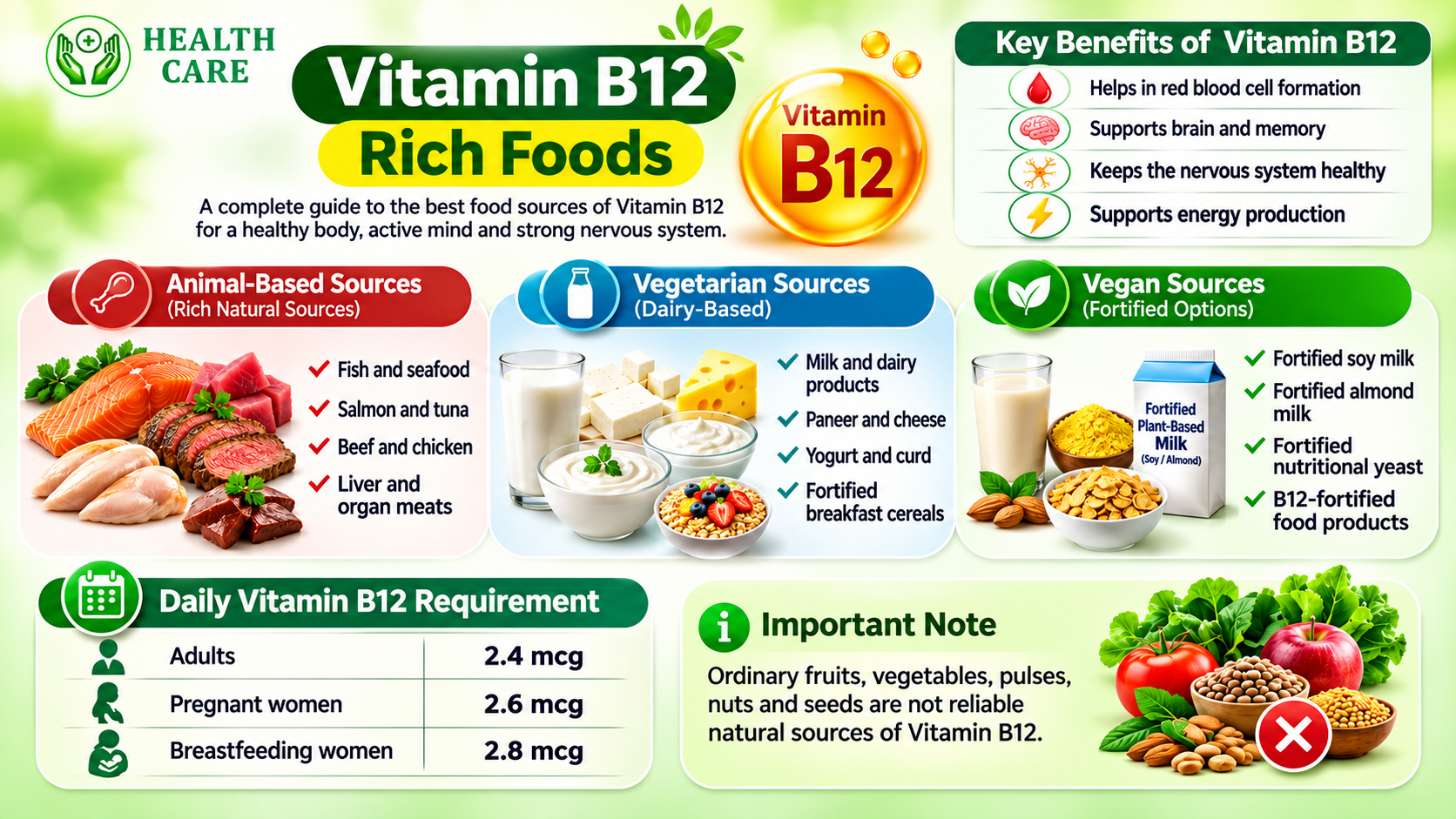
Everyone nowadays is looking to keep themselves healthy. Vitamin B12-rich foods seem to be very important. Vitamin B12, or cobalamin, is a water-soluble vitamin that is very important for creating red blood cells and DNA. It also helps your brain and nerves function.
This vitamin is very powerful, and whilst some may disagree, it helps support many things in the body. Sometimes the creation and synthesis of cells can cause issues.
The main function of vitamin B12-rich foods is to aid in the creation of red blood cells within the body. These carry oxygen around the body and help you have the correct levels of energy.
If the levels of vitamin B12 decrease within the body, this will cause the creation of red blood cells to become ineffective. Megaloblastic anemia can occur, and you will feel tired.
Vitamin B12 is also very important for your brain and nervous system. It helps protect nerve cells (myelin).
If you have low levels of vitamin B12, you can suffer from tingling/numbness in your hands and feet. You can also experience memory problems. You may also struggle with your balance.
Best Vitamin B12-Rich Foods
It is not enough to simply eat the correct foods each day to get adequate levels of vitamin B12.
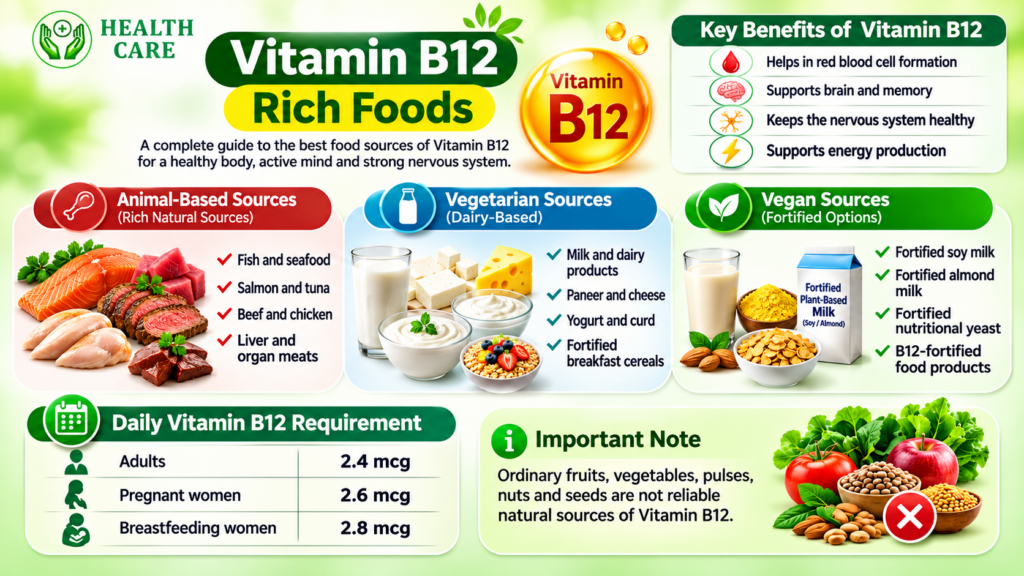
The main source of vitamin B12-rich foods can be found in animal-based foods. Such as fish, meat, eggs, and dairy.
There are some foods that have higher levels of vitamin B12. Clams, beef liver, salmon, tuna, milk, yogurt, and eggs.
Below are some of the most common foods and how much vitamin B12 they contain.
| Food Approx. Vitamin B12 per serving |
| Cooked Clams (85g) 17mcg |
| Cooked Beef Liver (85g) 70mcg |
| Cooked Salmon (85g) 2.6mcg |
| Cooked Tuna (85g) 2.5mcg |
| Ground Beef (85g) 2.4mcg |
| Milk (1 cup)1.3mcg |
| Plain Yogurt (170g) 1mcg |
| Egg (large) 0.5mcg |
Best Animal-Based Sources of Vitamin B12
Fish & Seafood
Salmon & Tuna
Beef & Chicken
Liver & Organ Meats
Eggs
Milk, cheese & yogurt. Animal-based foods are the best source of vitamin B12. Eating these foods will help to keep your levels of vitamin B12 in a healthy range.
Fish and seafood: Fish & seafood are a great source of this essential nutrient. Salmon, tuna, sardines, and shellfish are all good options.
Salmon and tuna: Salmon and tuna are lucky if they enjoy eating seafood, as they are a rich source of this nutrient.
Beef and chicken: Beef & chicken also contain vitamin B12, although there is less of it depending on the cut of meat.
Liver and organ meats: Liver & organ meats contain a good amount of vitamin B12. Especially within animal-based foods. Even small amounts can contain a lot of this nutrient.
Milk, cheese, and yogurt: Other easy-to-eat foods are eggs. Most of the vitamin B12 is in the yolk. Milk, cheese, and yogurt also contain vitamin B12.
Eating a variety of vitamin B12-rich foods will help your body create healthy red blood cells, keep your nerves functioning properly, and give you energy.
Those who eat animal products can choose from a variety of options depending on their food choices.
Vitamin B12-Rich Foods for Vegetarians
Vitamin B12 is an important nutrient for vegetarians to ensure they are making the right food choices.
Although most sources of vitamin B12 are animal-based, there are a few dairy products and fortified foods that can help vegetarians get adequate levels of this vitamin. Choosing the right vitamin B12-rich foods can help meet daily nutritional needs.
Some of the following foods can be included in your diet.
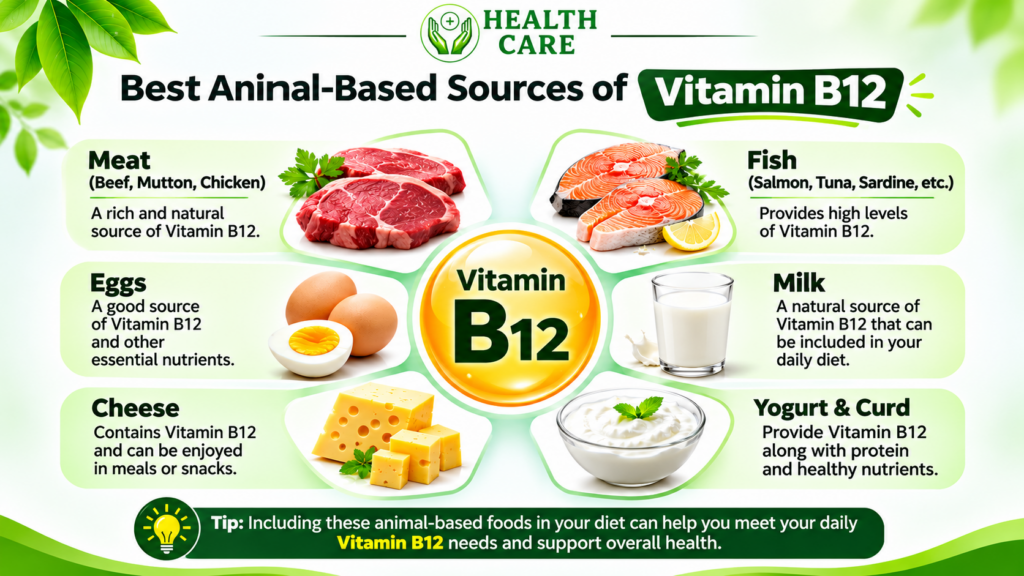
Milk & Dairy Products: Milk is a great source of vitamin B12 and can be eaten daily as part of a balanced diet.
Dairy Products: Paneer & Cheese are a good source of vitamin B12 and can be included in meals/snacks and breakfast.
Yogurt & Curd: Curd and yogurt contain vitamin B12. They also provide your body with protein and other nutrients to keep you healthy.
Fortified Breakfast Cereals: Some breakfast cereals have extra vitamin B12 added. Always check the label to see how much is in there.
Fortified Nutritional Yeast: Some nutritional yeast products have added vitamin B12. You can sprinkle it over your food or mix it into different foods.
Fortified Plant-Based Milk: There are some fortified soy, almond, and oat milk products that have added vitamin B12.
Note: Not all vegetarian foods will contain vitamin B12. Fortified products may be especially beneficial to those who do not eat as much dairy. Including suitable vitamin B12-rich foods in your diet can help support your overall health.
Vitamin B12-Rich Foods for Vegans
Vegans do not eat animal-based foods such as milk, eggs, cheese, or curd. Therefore, they need to find other good sources of vitamin B12 to keep themselves healthy.
Fortunately, there are a few fortified vitamin B12-rich foods that can help vegans get their daily dose.
Here are some tips for including the following foods into your diet.
Fortified Soy Milk: Some soy milk brands have extra vitamin B12 added. It can be drunk with breakfast or added to smoothies.
Fortified Almond Milk: Some almond milk products have added vitamin B12. Check the label to see how much.
Fortified Breakfast Cereals: Some breakfast cereals have extra vitamin B12. They can be a great option for your breakfast.
Fortified Nutritional Yeast: Some nutritional yeast products have added vitamin B12. You can sprinkle it over salad, soups, and other foods.
Key Points to Note
Most fruits, vegetables, pulses, nuts, and seeds will not naturally contain vitamin B12.
Vegans should include fortified foods containing vitamin B12 in their daily diet. They may also need to take a vitamin B12 supplement. It is best to speak to a doctor or dietitian.
What are the best natural sources of vitamin B12?
Vitamin B12-rich foods create healthy red blood cells, keep your nerves healthy, and aid DNA synthesis.
Most sources of vitamin B12 can be found in animal-based foods and some dairy products. Knowing what foods naturally contain vitamin B12-rich foods and which have extras can help you make better food choices.
Natural Sources of Vitamin B12
Vitamin B12 can mostly be found in animal-based foods. Fish, seafood, salmon, tuna, beef, chicken, and organ meats such as liver are all good natural sources. The amount of vitamin B12 will vary.
Eating these foods will help to keep your vitamin B12 levels at normal levels. Dairy-Based Sources: Milk, cheese, yogurt, and curd can be sources of vitamin B12 for those who drink milk.
These are great for vegetarians who have dairy. Natural vs. Fortified Sources: Vitamin B12 is naturally found in natural sources. Fortified foods have this nutrient added during the processing of the food.
These include fortified breakfast cereals, soy milk, almond milk, and nutritional yeast. These foods may be especially beneficial to vegetarians and vegans.
Which foods are best for you if you suffer from B12 deficiency?
Choose foods based on your preferences and nutritional requirements. Check food labels to ensure you know how much vitamin B12 is within fortified foods.
For vegans, ensure you are regularly eating good-quality fortified foods or speak to a healthcare professional about taking supplements. It is important to eat vitamin B12-rich foods to avoid any potential dietary deficiencies.
How much vitamin B12 do you need daily?
Vitamin B12 is an important vitamin that helps keep your nerves healthy, supports the production of red blood cells, and helps your body make DNA. Including vitamin B12-rich foods in your daily diet can help meet your body’s nutritional needs.
The amount of vitamin B12 you need depends on your age.
Most adults require 2.4 micrograms (mcg) daily. Pregnant and breastfeeding women require a little more.
| Age Group Vitamin | B12 Requirement |
| Adults | 2.4 mcg |
| Pregnant Women | 2.6 mcg |
| Breastfeeding Women | 2.8 mcg |
Note: This is a general guideline. Everyone’s requirements for vitamin B12 will depend on their medical conditions, digestive diseases, nutrient absorption, and some medications.
Individuals with vitamin B12 deficiency may require higher doses of supplements/medical treatment. Choosing the right vitamin B12-rich foods can also help support daily nutritional needs.
Symptoms of Vitamin B12
Vitamin B12 is an important nutrient to keep your brain, nerves, and red blood cells healthy. If you are lacking in vitamin B12 within your body, you may start to experience some health issues.
Sometimes these symptoms develop slowly, and you may not realize you have a vitamin B12 deficiency until your body has lacked enough vitamin B12 for a long time. Including vitamin B12-rich foods in your daily diet can help maintain adequate vitamin levels.
Knowing the symptoms can help you seek medical advise at the correct time.
Common symptoms of vitamin B12 deficiency include:
Feeling Tired & Weak
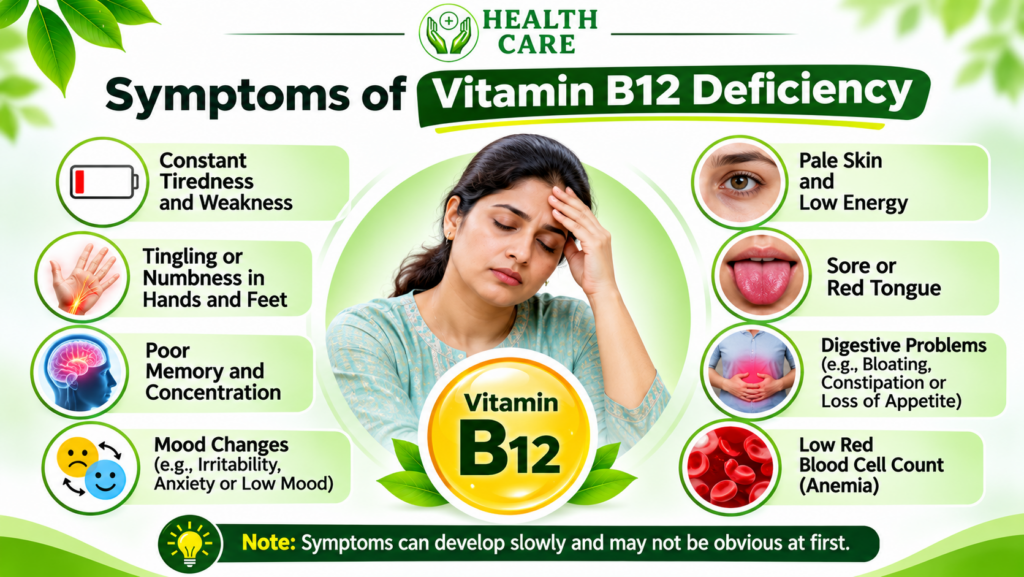
If you are often feeling tired, weak, or lacking in energy, this could be due to a lack of vitamin B12. This helps your body create healthy red blood cells. If you are lacking in this vitamin, you can develop anemia, which can make you feel tired.
Pale Skin
Lacking in vitamin B12 can cause a form of anemia. This can cause your skin to look paler.
Tingling/Numbing Hands & Feet
Vitamin B12 helps to keep your nerves healthy. If you are lacking in this vitamin, you may experience tingling, numbness, or a pins-and-needles feeling in your hands and feet.
Memory & Concentration Issues
You may experience issues with your memory, concentration, and thinking if you are lacking in vitamin B12.
Balance Issues
A lack of vitamin B12 can affect your nerves, which help you move properly. You may struggle to walk, have balance issues, and struggle to coordinate.
Ulcers in Mouth/Sore Tongue
Some people with a lack of vitamin B12 may develop ulcers in their mouth, a swollen/smooth tongue, and soreness.
Key Points to Note
These are some common symptoms of vitamin B12 deficiency. However, they do not necessarily mean you are lacking in B12. Other health issues can cause similar symptoms.
If you are experiencing these issues regularly, it is important to speak to a doctor. They can perform a blood test to check your vitamin B12 levels. It is important to receive the correct treatment, as long-term deficiencies can cause nerve damage.
Who is more at risk of developing vitamin B12 deficiency?
Anyone can develop vitamin B12 deficiency; however, some people are more at risk due to their diet, age, illness, and inability to absorb nutrients.
This vitamin is essential for the growth of red blood cells and keeping your nervous system healthy.
Consider the following groups of people who may be at higher risk:
Strict Vegetarians/Vegans
Those who follow a strict vegetarian/vegan diet may be at higher risk of developing vitamin B12 deficiency. This is because most natural sources of vitamin B12 are found in animal-based foods.
Those who do not eat dairy products or fortified foods regularly may need to take B12 supplements. It is best to speak to a doctor.
Older Adults
As we get older, our bodies may struggle to absorb vitamin B12 from foods. Some older adults suffer from stomach issues, which reduce the amount of acid in their stomach.
Digestive Disorders
Some digestive issues, such as Crohn’s and celiac, can prevent vitamin B12 from being absorbed into the digestive system.
Persons who have had surgery on the stomach/intestine
Some stomach and intestine surgeries may cause the body to struggle to absorb vitamin B12. This can cause a deficiency.
Taking Certain Medicines
Some medications can cause issues with absorbing vitamin B12. Especially if taken over a long period of time.
These can include medications to reduce stomach acid such as proton pump inhibitors and diabetes medications such as metformin.
Note: If you fall into any of these categories, speak to your doctor to have your vitamin B12 levels checked.
Eating foods rich in vitamin B12 can help keep your levels healthy. However, those who struggle to absorb this vitamin may need to take supplements or other treatments as advised by their doctor.
Frequently Asked Questions About Vitamin B12-Rich Foods
1. Which food contains the highest amount of vitamin B12?
Beef liver and clams are among the richest natural sources of vitamin B12.
2. Which vegetarian foods are rich in vitamin B12?
Milk, curd, yogurt, cheese, and some fortified cereals contain vitamin B12.
3. Are bananas rich in vitamin B12?
No, bananas do not naturally contain vitamin B12.
4. Do almonds contain vitamin B12?
No, almonds are not a natural source of vitamin B12.
5. Is milk a good source of Vitamin B12?
Yes, milk provides vitamin B12 and can be part of a balanced diet.
6. Can vitamin B12 deficiency be corrected through diet?
Sometimes. However, people with absorption problems may need supplements or medical treatment.
7. What is the best time to consume vitamin B12 foods?
You can eat vitamin B12-rich foods at any time of the day.
8. Can I get enough vitamin B12 without eating meat?
Yes. Dairy products and fortified foods can help provide Vitamin B12. Vegans may need supplements
Conclusion
Vitamin B12 is an essential nutrient for maintaining healthy nerves, brain function, and the production of red blood cells in the body. Eating vitamin B12-rich foods will help your body get the required amounts.
Natural sources include fish, meats, eggs, milk, curd, and cheese. If you’re vegetarian or vegan, then you can eat foods that have been fortified with vitamin B12, such as breakfast cereals and plant-based milks.
If you regularly feel tired or weak or experience tingling sensations in your hands and feet, do not try to ignore these. There could be many reasons for this, but it could also be due to low levels of vitamin B12.
See a healthcare professional to receive the correct guidance and tests. Including vitamin B12-rich foods in your daily diet can help support your nutritional needs.
Follow us: